Tags :: This vs. That
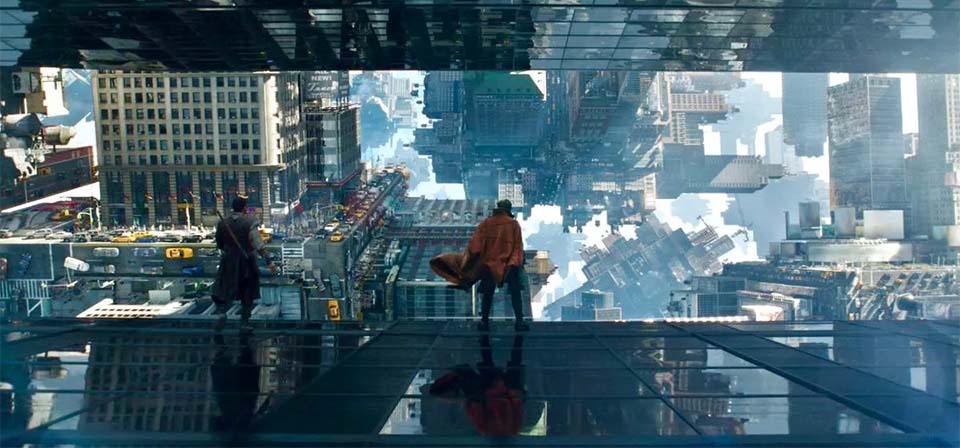
Why Doctor Strange is the best MCU movie: 10 reasons
The way the film plays with time, space, and gravity make for the most unique action sequences in any MCU movie, and maybe any live-action superhero movie.
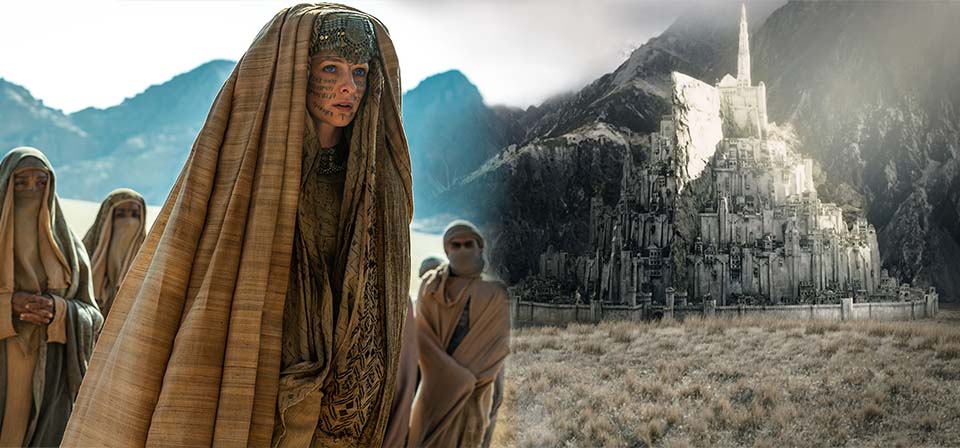
Dune and The Lord of the Rings
In my reviews of Dune: Part One and now Dune: Part Two (filed and pending publication; stay tuned!) I’ve written a bit comparing and contrasting Dune with Star Wars. Here I’d like to consider Star Wars in relation to The Lord of the Rings and J.R.R. Tolkien’s larger legendarium.
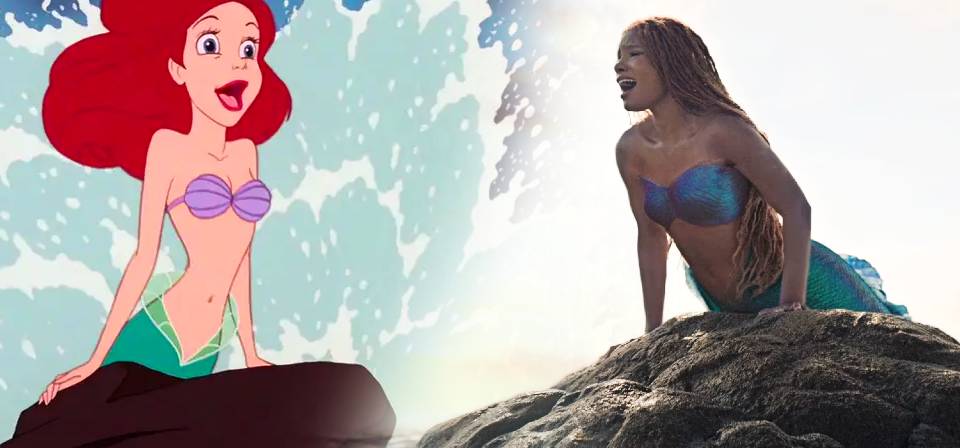
A deep dive: The Little Mermaid then and now
There’s something profoundly melancholy about Disney returning, in its present state of creative exhaustion and corporate decadence, to The Little Mermaid — the nucleus from which the entire Disney renaissance exploded, in a way along with everything that has followed.
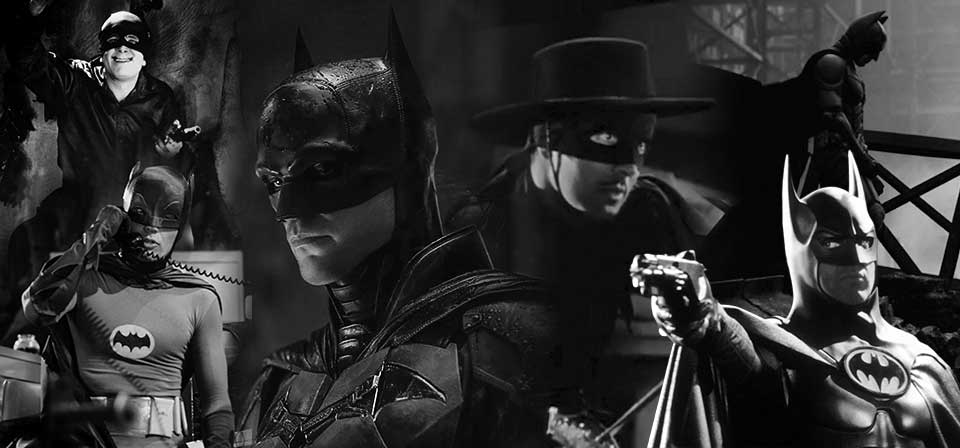
Caped crusaders and the common good
Questions around how what people need and deserve and how they should be governed are of course recurring themes in the saga of Zorro’s more famous heir, Batman … We don’t look to superhero movies to answer these questions for us, but their varying answers tell us something about ourselves and the times in which they were made.
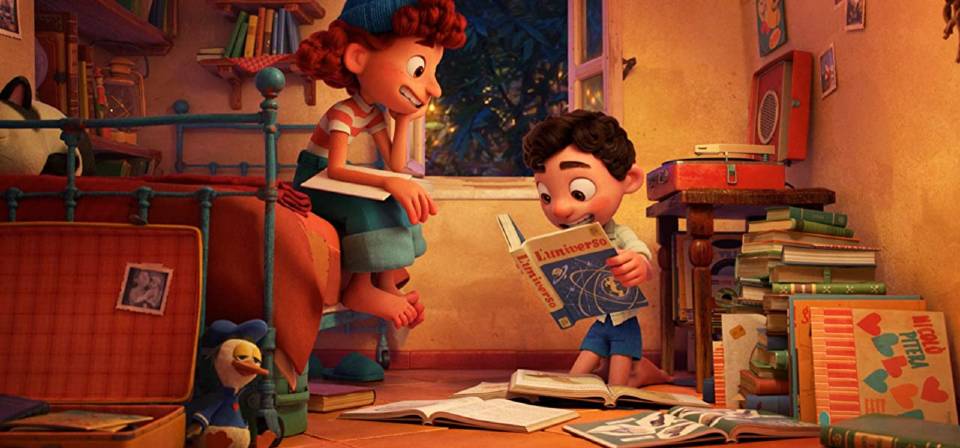
Luca (2021)
In Pixar’s Luca, a gentle, overtly Miyazaki-esque coming-of-age period piece struggles under the heavy weight of iron-clad Disney/Pixar formula requirements and story beats. The charming elements work well enough to carry the film, but only just.
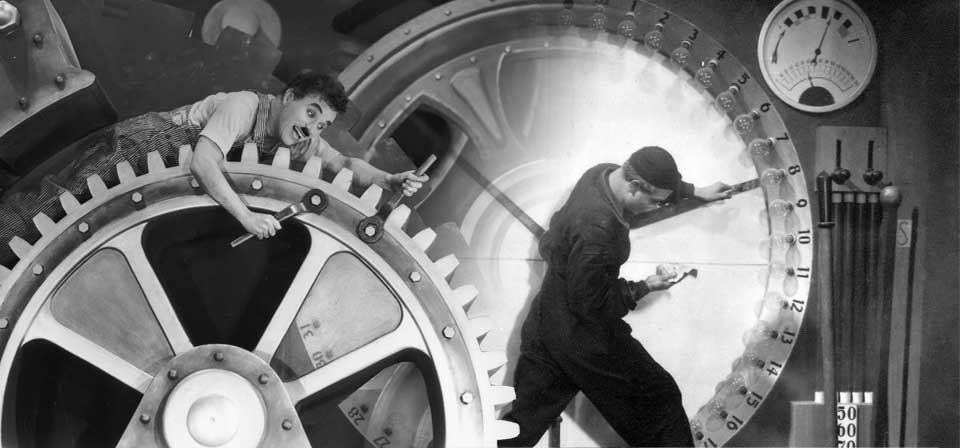
Silent rage against the machine: Metropolis and Modern Times
Metropolis is an operatic, dystopian science-fiction parable with roots in various sources including biblical and medieval Christian imagery, while Modern Times is a satiric comedy at times recalling Dickens and anticipating “Dilbert.” Yet the two films converge around political, economic, social, and technological themes.
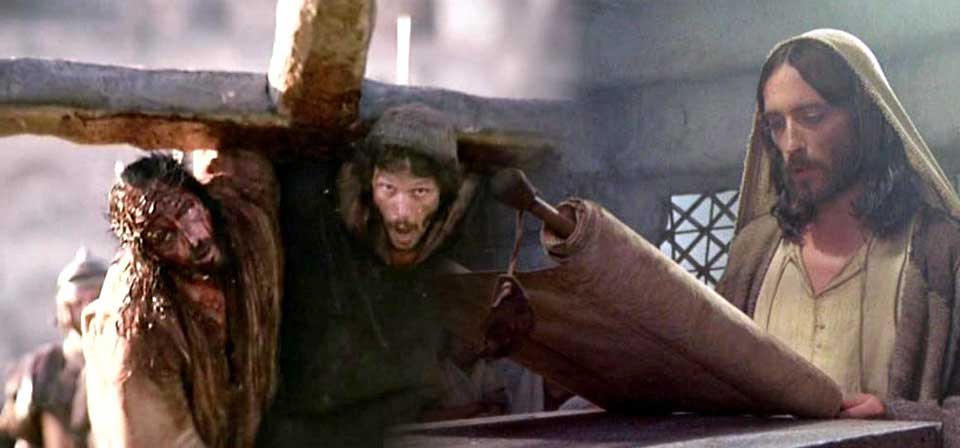
Jesus movies and antisemitism: Jesus of Nazareth and The Passion of the Christ
While concerns around “Jesus of Nazareth” were short-lived, The Passion of the Christ remains controversial, beloved by many and condemned by many others.
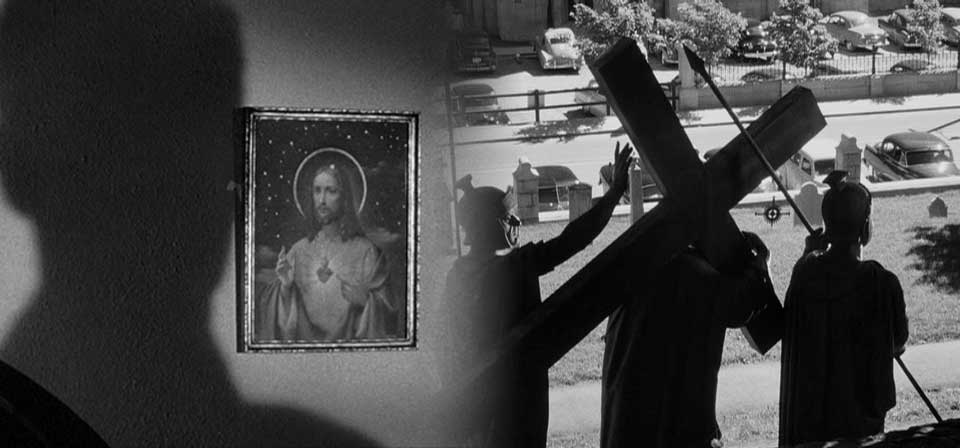
Alfred Hitchcock’s two most Catholic films
Intriguingly, although I Confess was made first and The Wrong Man closely follows its true story, there are a number of notable convergences between the two films.
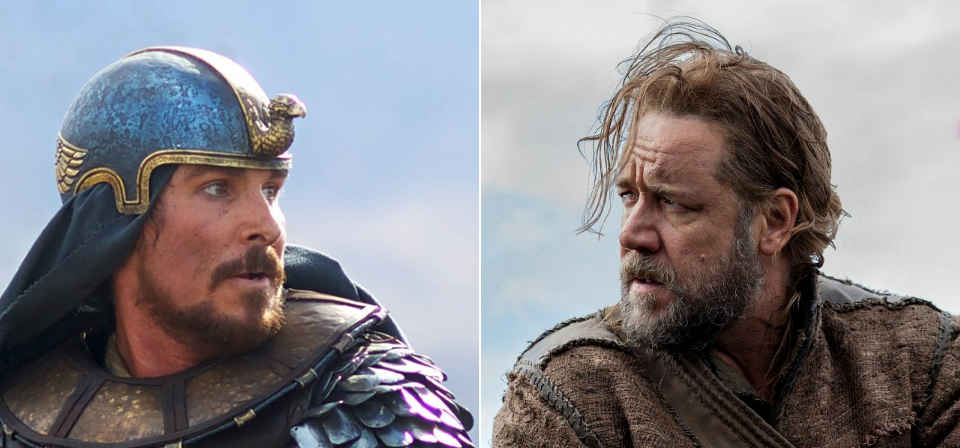
Noah vs. Moses: Stacking up the two Old Testament Hollywood epics of 2014
Of the two, Noah was by far the more divisive, with its startling fantasy trappings, alarming family conflict and invented antagonist. Many hated it; I loved it. No film last year inspired me to think or write more than Noah. By contrast, while Exodus: Gods and Kings sticks closer to the broad outlines of the biblical story and includes some provocative ideas, I found it generally less interesting and engaging.
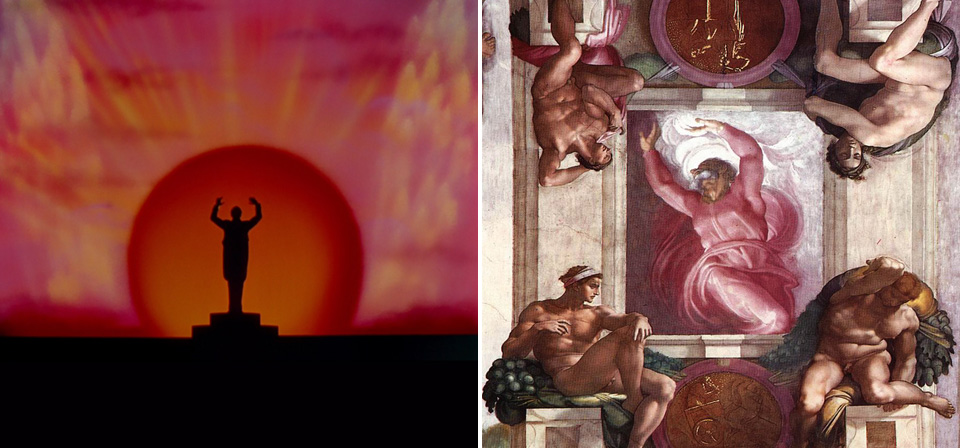
Fantasia: The Sistine Chapel of Disney animation
Among a few Disney films deserving of the title “masterpiece,” Fantasia remains a unique achievement.
Two Very Different Responses to Parenthood: Chef and Obvious Child
Among this summer’s successful indies were a pair of R-rated comedies — each from a filmmaker serving as writer, director and star — depicting two very different responses to the formidable responsibilities of parenthood.
Evil Dead [video]
Producer Sam Raimi has been milking this premise since 1978. It’s no longer plausible that these teenagers still haven’t seen any movies like this.
Religious Vision: Les Misérables and Anna Karenina
Have today’s movies lost religion? Not necessarily — but sometimes it helps to know where to look. For instance, mainstream films are more likely to include sympathetic depictions of religious faith in period pieces than in stories set in the present day.
Which Disney Villain is the Most Evil?
An intriguing question posed to me in another forum: “Who is the worst Disney villain? Mother Gothel in Tangled is bad (kidnapping, brainwashing). The evil Queen from Snow White?”
A house divided: A domestic family-film metaphor
Like Dorothy’s house, uprooted in fairy-tale response to her running away, physical domiciles in one family film after another are displaced, torn asunder, and undergo fantastic, traumatic crises and transformations in visionary mirroring of the upheaval in the characters’ lives.
Footloose (2011)
The upshot is that this new Footloose is a dumbed-down, sexed-up take on a story that was already risqué and not too bright — one that shies away from the ’84 film’s critique of the church, but is also further from its lingering Christian worldview.
Girls Rule, Boys Drool? Stereotyping the sexes in family films
Over and over we see smart, tough, confident, independent heroines — Astrid in How to Train Your Dragon; Hermione in the Harry Potter films; Tigress in Kung Fu Panda; Eve in Wall-E; Colette in Ratatouille; Jewel in Rio — next to whom the heroes appear variously awkward, diffident, incapable, clueless or ridiculous.
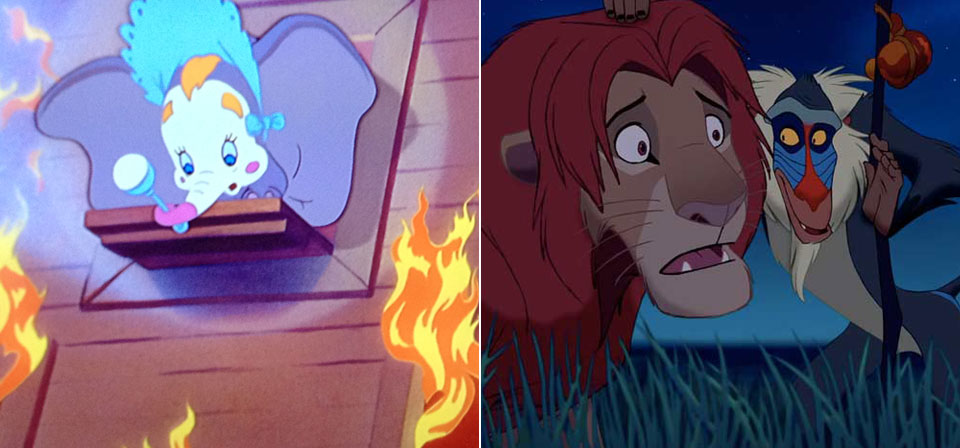
Dumbo & The Lion King: Overrated or Must Haves?
Both newly available in multi-disc Blu-ray/DVD combo editions, Dumbo and The Lion King were each developed during one of Disney’s two periods of greatest creative flourishing … Both Dumbo and The Lion King are much beloved, though in my opinion they’re both overrated and comparatively disappointing.
Moses, Spielberg & DeMille: Why Spielberg should do the next Moses movie
There’s something instantly appealing about the thought of Spielberg directing Hollywood’s first major live-action take on Moses’ story since Cecil B. DeMille’s 1956 crowning achievement, The Ten Commandments.
Cars vs. A Bug’s Life: Which is Pixar’s least impressive film?
With Cars 2 approaching this weekend, I thought I’d take a look back at Cars, easily Pixar’s least impressive and celebrated film since their second picture, A Bug’s Life.
Kung Fu Panda vs. How to Train Your Dragon
I seem to be on a comparison kick: A while back I did a massive comparison/contrast between Harry Potter and the Deathly Hallows: Part 1 and The Empire Strikes Back. Then I followed up with a comparison/contrast of Fantasia and Fantasia 2000.
Fantasia and Fantasia 2000: Revisiting the Sistine Chapel of Disney Animation
(Newly available on Blu-ray/DVD) Rather than a static motion picture, Fantasia was originally conceived as a repertoire, a selection of presentations that over time could be augmented by new pieces while old ones were retired, like an orchestra rotating its concert lineup … Ten years ago, amid the wreckage at the end of the 1990s Disney Renaissance, the Disney studio marked Fantasia’s 60th anniversary with Fantasia 2000, a film intended to honor in a way the original repertory conception of Fantasia.
Harry Potter’s Empire Strikes Back? Don’t Make Me Laugh
12 reasons why Deathly Hallows: Part 1 is no Empire Strikes Back … or even The Two Towers.
Infographic: Pixar vs. DreamWorks
Props to reader Victor for highlighting this infographic from a few years back analyzing the differences between the creative processes at Pixar and DreamWorks.
3:10 to Yuma (2007)
There’s no spiritual duel, no earned respect and debt of honor. There is just a broken man and a capricious one: one harboring hopeless dreams of being a man again in the eyes of his wife and son but no hope of achieving it; the other larger than life, an implacable force of nature able to kill men and seduce women essentially at will, and who never has any reason to honor or respect the other man, but could conceivably take pity on him and go along with him, if it strikes his fancy.
The School of Rock vs. The Fighting Temptations
The hero’s nearly religious reverence for rock’s angry posturing and anti-authoritarianism — reverence culminating in a pre-concert prayer to the "God of rock" — isn’t quite condoned, but isn’t put in any larger context either. Rock culture’s darker side is whitewashed (it’s not about drugs, kids, and groupies are really just band cheerleaders!), and subjects other than music (and even music other than rock) get short shrift. Then there’s the swishing, lisping fifth-grade "band stylist" bringing "Queer Eye" camp to the grade-school setting.
Harry Potter vs. Gandalf
What defines morally acceptable use of good magic in fiction? Where, and how, do we draw the line? How do we distinguish the truly worthwhile (Tolkien and Lewis), the basically harmless (Glinda, Cinderella’s fairy godmother), and the problematic or objectionable (“Buffy,” The Craft)? And where on this continuum does Harry Potter really fall?
Recent
- American Martyr: An Oklahoma priest’s unlikely bond with persecuted Mayans in war-torn Guatemala
- Father Stanley Rother’s gift of presence: Interview with María Ruiz Scaperlanda
- The Odyssey and the consequences of war
- Why Doctor Strange is the best MCU movie: 10 reasons
- Aliens, humanity, and God: In Disclosure Day, Spielberg still wants to believe
Home Video
Copyright © 2000– Steven D. Greydanus. All rights reserved.