Articles
Academy Crowns The King’s Speech
The royal historical drama The King’s Speech, starring Colin Firth as England’s Prince Albert, later King George VI, was the biggest winner at the 83rd Academy Awards, winning four of its 12 nominations in an evening with few surprises and a poorly staged ceremony whose primary virtue was its comparative shortness.
2010: The year in reviews
Was 2010 “The Worst Movie Year Ever,” as Joe Queenan argued at WSJ.com a while back? Or at least, bracketing art-house and world cinema fare, was it Hollywood’s worst year ever? For most of the year, it sure looked plausible.
Treading the Dawn: Bringing Dawn Treader From Book to Film
Douglas Gresham, Walden Media’s Micheal Flaherty and C. S. Lewis scholar Devin Brown discuss the book and the film.
Fantasia and Fantasia 2000: Revisiting the Sistine Chapel of Disney Animation
(Newly available on Blu-ray/DVD) Rather than a static motion picture, Fantasia was originally conceived as a repertoire, a selection of presentations that over time could be augmented by new pieces while old ones were retired, like an orchestra rotating its concert lineup … Ten years ago, amid the wreckage at the end of the 1990s Disney Renaissance, the Disney studio marked Fantasia’s 60th anniversary with Fantasia 2000, a film intended to honor in a way the original repertory conception of Fantasia.
Harry Potter’s Empire Strikes Back? Don’t Make Me Laugh
12 reasons why Deathly Hallows: Part 1 is no Empire Strikes Back … or even The Two Towers.
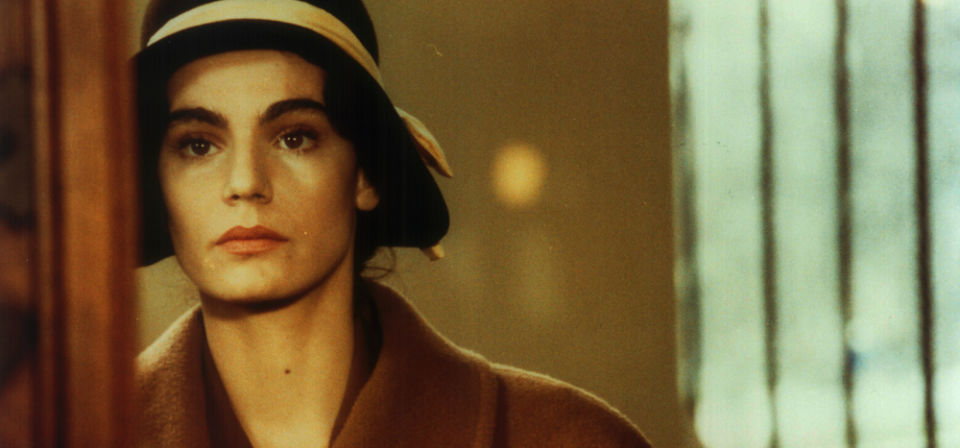
The Seventh Chamber: Edith Stein, The Interior Castle and Auschwitz
The Seventh Chamber shows that for Edith it is only by knowing God that we know ourselves; only through Jesus that we know God; and only through the cross that we can know Jesus.
Catholic Producer Discovers Amish Grace
Debuting today on DVD, the TV movie Amish Grace broke multiple network records when it premiered this spring as the most-watched and highest-rated original movie in Lifetime Movie Network history. Inspired by the nonfiction book of the same title about the aftermath of the 2006 Amish school shooting in Lancaster, Pa., the film was produced by the Larry Thompson Organization, founded by Larry A. Thompson, an executive producer on the film.

Now would be a perfect time to Panic!
A Town Called Panic may be the most oddball thing you see all year, if you see it, which you probably won’t, although perhaps you should. How can I explain it?
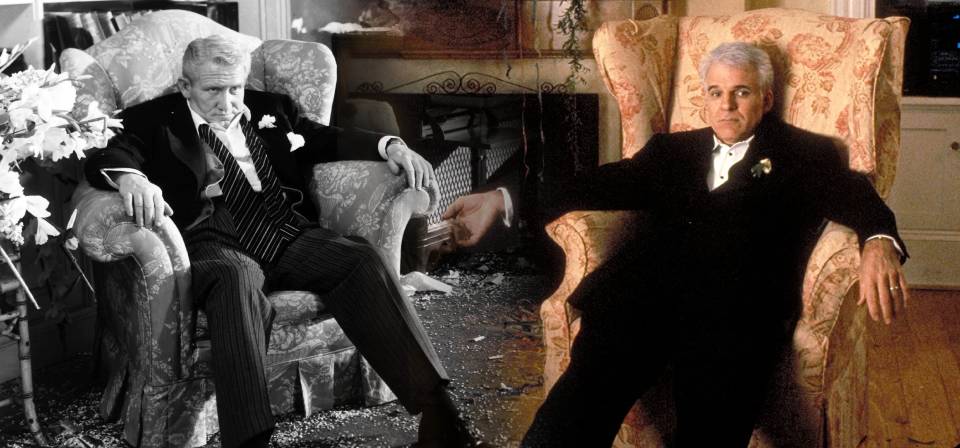
Fatherhood and Hollywood: Dads in the movies
Hollywood’s ambivalence about fatherhood is deeply entrenched. Ambivalence, though, is not mere hostility; often it is rooted in a real awareness of the irreplaceable importance of fatherhood, and in melancholy or anger over paternal failure in a fallen, broken world.
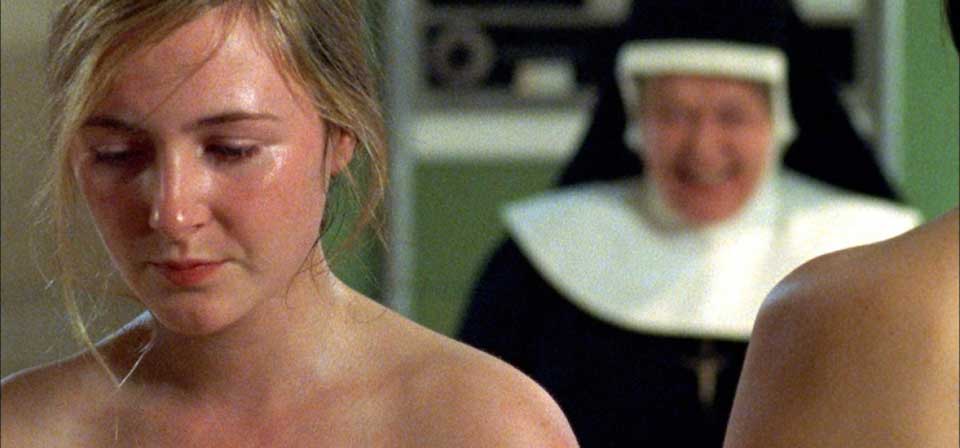
The Magdalene Sisters Controversy (2003)
That the Magdalene asylums represent a phenomenon as deserving of critical scrutiny as the trial of Joan of Arc or the ecclesiastical abandonment of the Guaraní missions, I don’t question. Mullan, however, betrays his subject with smug Catholic-bashing. It’s a tragedy that the enormity of what went wrong at the Magdalene asylums has been trivialized by cheap manipulation.
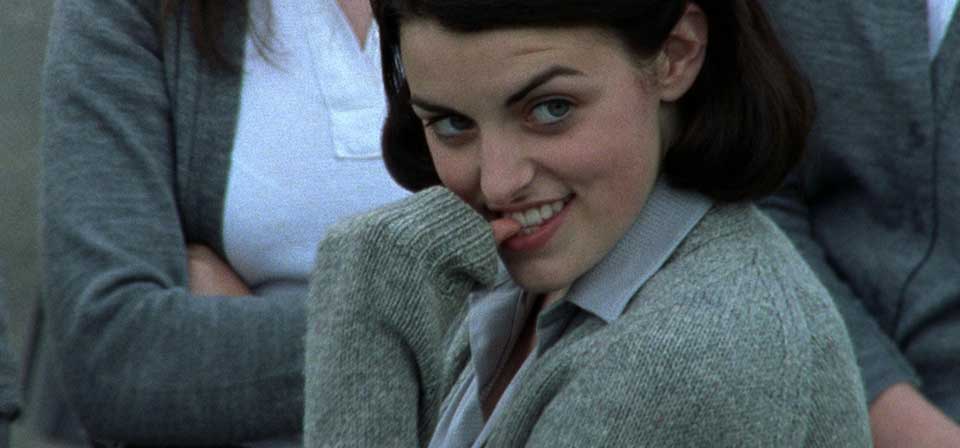
The Magdalene Sisters controversy revisited (2010)
The Ryan report confirms the substantial truth of the sort of stories dramatized in The Magdalene Sisters. These stories need to be told. But the report also reconfirms my fundamental objection to the way that The Magdalene Sisters tells its story, depicting the world of the asylums solely in terms of unremitting abuse, cruelty and sadism unbroken by any hint of kindness or humane treatment. This is not in accordance with the memories of those who endured the Irish institutions, according to the Ryan report.

Spectacular, Spectacular Spider-Man!
All good things must come to an end, but “The Spectacular Spider-Man” ended too quickly, after only two seasons. In April 2010 Marvel pulled the plug on the acclaimed but long-stalled series, leaving the season 2 finale as the satisfying but not fully resolved series climax.
A history of violence: Agora, Hypatia and Enlightenment mythology
Alejandro Amenábar’s Agora is a work of hagiography, and, for that matter, of anti-hagiography. Among its burdens are that Hypatia of Alexandria, the celebrated neo-Platonic philosopher and mathematician, is worthy of veneration, and also that Cyril of Alexandria, saint and doctor of the Church, is not. Neither of these theses is without prima facie plausibility, or unworthy of serious-minded and nuanced exploration. Agora is serious-minded to a fault, but nuance, while not absent, is lacking.
Talking Babies: Q&A With Director Thomas Balmès
Opening on Mother’s Day weekend, French director Thomas Balmès’ Babies documents the first year in the life of four babies from four different corners of the world: Mongolia, Namibia, San Francisco and Tokyo. Balmès, who lives in Paris with his wife and three children, discussed his film over the phone with me.
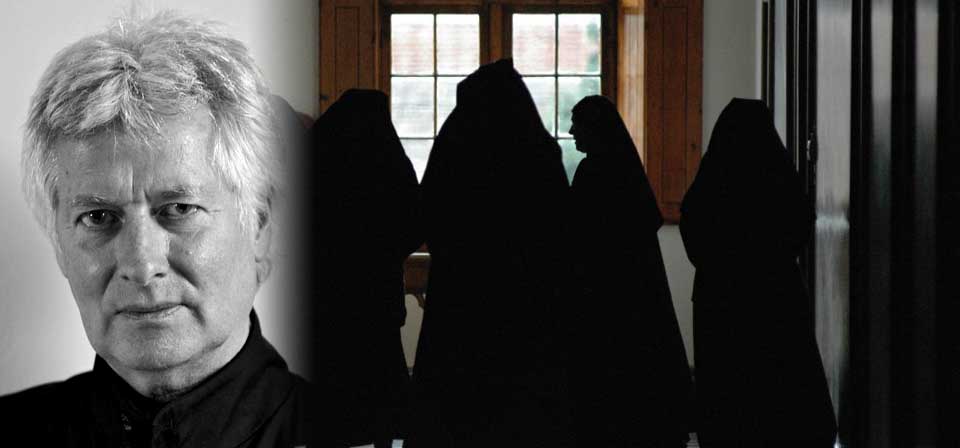
Notting Hill’s Nuns: Q&A with Michael Whyte
British filmmaker Michael Whyte lives in West London’s Notting Hill area across the square from a Carmelite monastery, Most Holy Trinity. For years he wondered about the building across the square; then one day he inquired about making a documentary there.
The worlds of Hayao Miyazaki
Miyazaki’s whole body of work (less one or two sub-par exceptions) offers unduplicated vistas of imaginative wonder and beauty, images of startling power, admirable and likable heroines and heroes, humanely conceived supporting characters, elusively engaging storytelling, wholesome moral themes, and unexpected sly humor. He is the sort of artist whose work doesn’t just entertain audiences, but wins enthusiasts. For those who haven’t yet discovered him, Miyazaki is a taste well worth acquiring.

Horror, the grotesque, and the macabre: A Christian appraisal
Horror represents a field many Christians approach with trepidation, and rightly so. The horror shelves of bookstores and video stores are very largely a wasteland of mindless, tasteless trash; indeed, there may be no other genre as disproportionately overrun with junk. Yet the grotesque, the macabre, and the frightful have an abiding place in human imagination and culture — a place that Christian sensibility has historically not seen fit to reject or condemn, at least entirely.
Small-Screen Aardman: Wallace & Gromit Shorts and Shaun the Sheep
More wordless Aardman animation on DVD!
2009: The year in reviews
It was a year of quirky, darkly mature childhood fantasy adaptations. Neil Gaiman’s juvenile horror-thriller Coraline, Maurice Sendak’s picture book Where the Wild Things Are and Roald Dahl’s young reader Fantastic Mr. Fox were each made into unique, challenging films in radically different styles by directors Henry Selick, Spike Jonze and Wes Anderson, respectively.
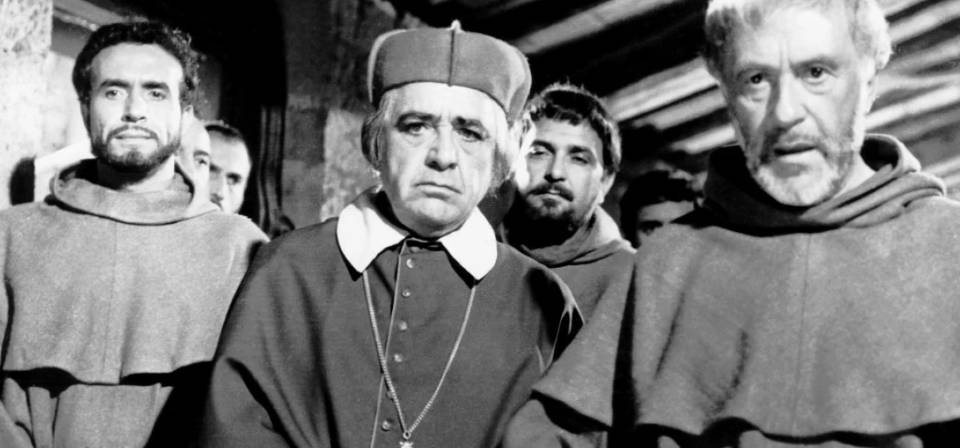
The Reluctant Saint: Joseph of Cupertino (1962)
Like its protagonist, Saint Joseph Desa of Cupertino, throughout much of his lifetime and most of the film, Edward Dmytryk’s 1962 film The Reluctant Saint is a modest affair that has attracted little attention, but has more to offer than meets the eye.
Recent
- American Martyr: An Oklahoma priest’s unlikely bond with persecuted Mayans in war-torn Guatemala
- Father Stanley Rother’s gift of presence: Interview with María Ruiz Scaperlanda
- The Odyssey and the consequences of war
- Why Doctor Strange is the best MCU movie: 10 reasons
- Aliens, humanity, and God: In Disclosure Day, Spielberg still wants to believe
Home Video
Copyright © 2000– Steven D. Greydanus. All rights reserved.