Articles
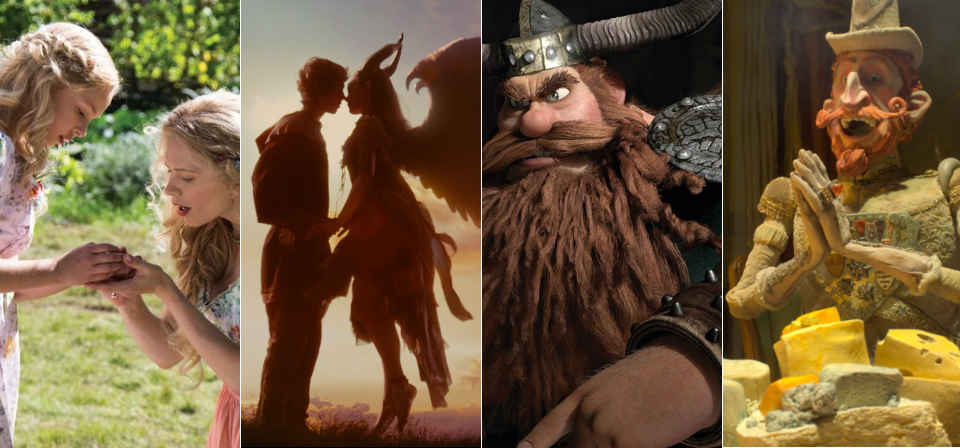
Disney’s new Cinderella and the problem of parents in Hollywood fairy tales and family films
There are good reasons for introducing parent-child conflict into family films, depriving child protagonists of a parental safety net, depicting single-parent households, etc. There’s no good reason positive depictions of healthy, intact families in family films should be an endangered species.
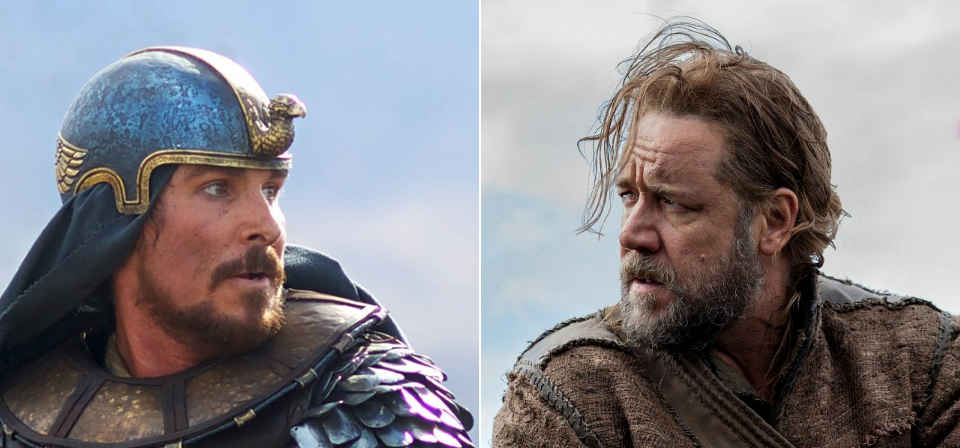
Noah vs. Moses: Stacking up the two Old Testament Hollywood epics of 2014
Of the two, Noah was by far the more divisive, with its startling fantasy trappings, alarming family conflict and invented antagonist. Many hated it; I loved it. No film last year inspired me to think or write more than Noah. By contrast, while Exodus: Gods and Kings sticks closer to the broad outlines of the biblical story and includes some provocative ideas, I found it generally less interesting and engaging.
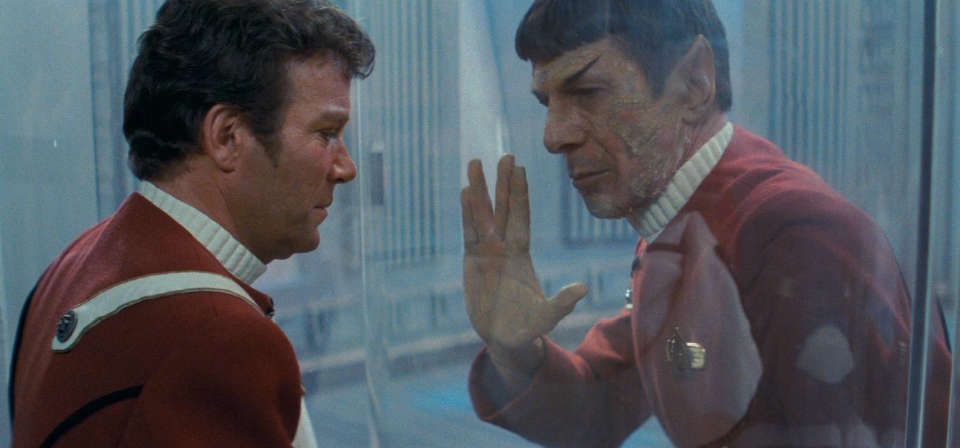
Why “Star Trek” — and Mr. Spock — matter
The ongoing cultural influence of the “Star Trek” phenomenon is incalculable, and Leonard Nimoy’s contributions are an immense part of that. Nimoy wasn’t just an actor doing a job; in a real sense he was a co-creator who helped to define his character in many ways.

Narnian spirit: C. S. Lewis’ religious themes in the books, the films — and any films to come
With a new Blu-ray edition of The Voyage of the Dawn Treader available March 3, here’s a look back at the series so far … and a look ahead.

The truth behind one of Netflix’s most popular shows
Want to know the truth behind the “Devil’s Bible”? Or the Dead Sea Scrolls? How about one of the Old Testament’s two famous arks? Curious about UFOs, Bigfoot or the Bermuda Triangle?
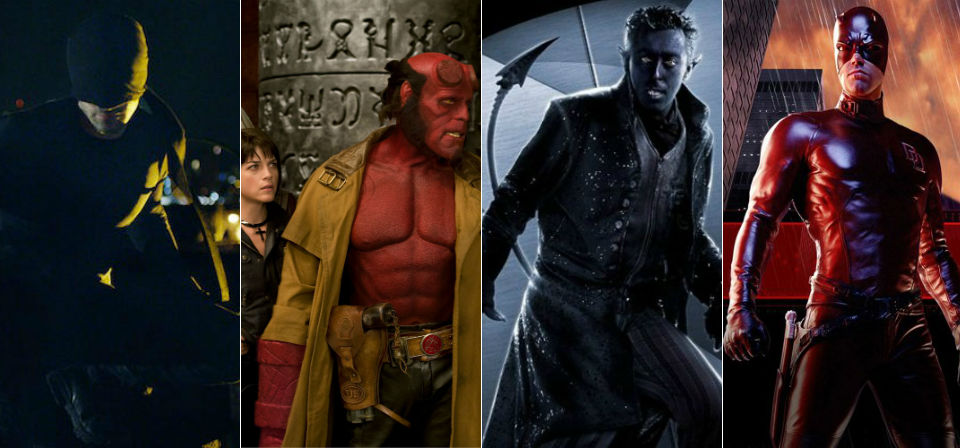
Guardian Devils? Daredevil and Catholic guilt, superhero style
“Bless me, Father, for I have sinned,” says Matt Murdock, the blind lawyer turned masked hero in the first line of the new trailer for Netflix’s upcoming Marvel Comics superhero series “Daredevil.”
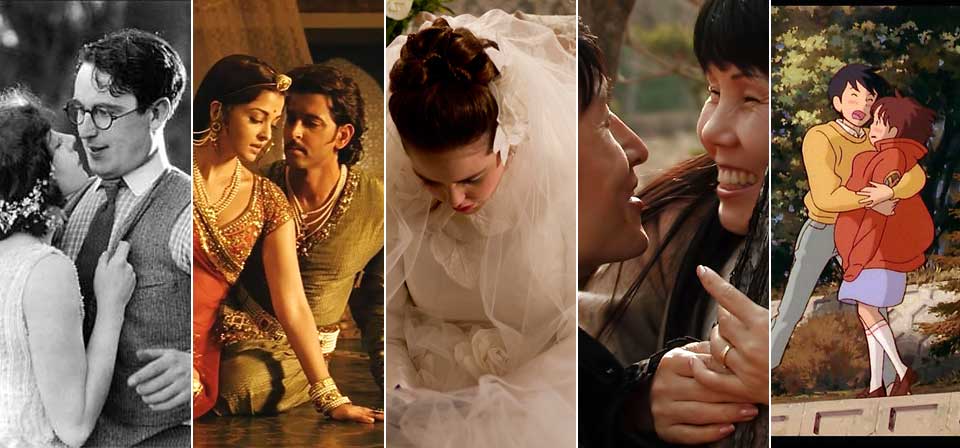
My Top 10 Favorite Movie Love Stories That Don’t Show Up on Romantic Movie Lists
No Jane Austen or Shakespeare. No Hepburn or Cary Grant, Meg Ryan or Tom Hanks. No Say Anything or Jerry Maguire, no City Lights or Sunrise: A Song of Two Humans. Nothing against any of the above, but you don’t need me to tout them. Instead, here are ten films you might not find on other lists of movie romances.
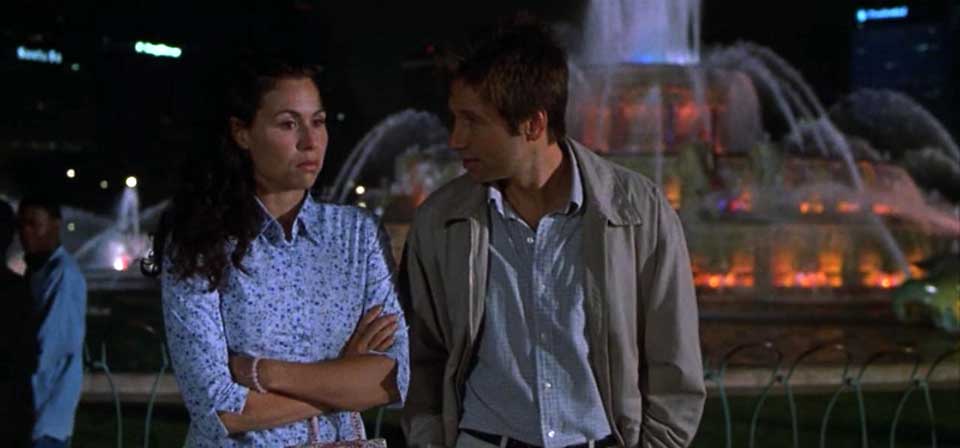
The easygoing Catholicism of Return to Me
Return to Me has an easygoing Catholic vibe akin, but not identical, to Golden Age Hollywood piety; in fact, the movie blends nostalgia and irreverence for the Catholic Hollywood of Bing Crosby’s era.
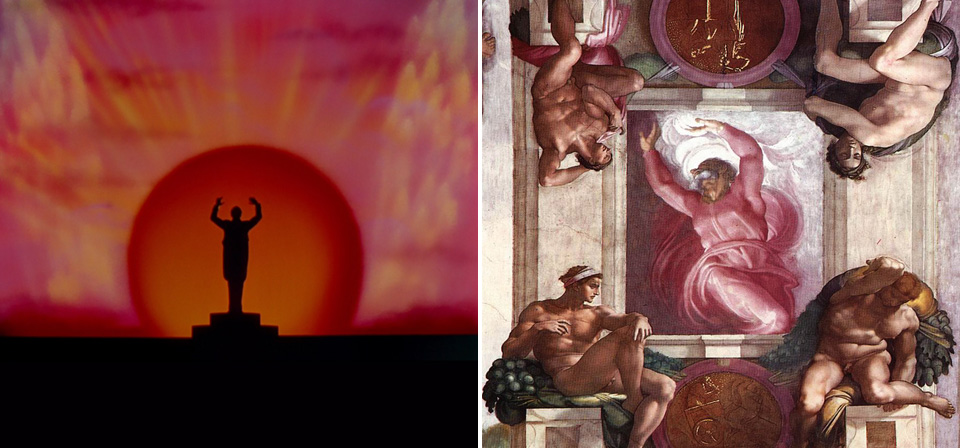
Fantasia: The Sistine Chapel of Disney animation
Among a few Disney films deserving of the title “masterpiece,” Fantasia remains a unique achievement.
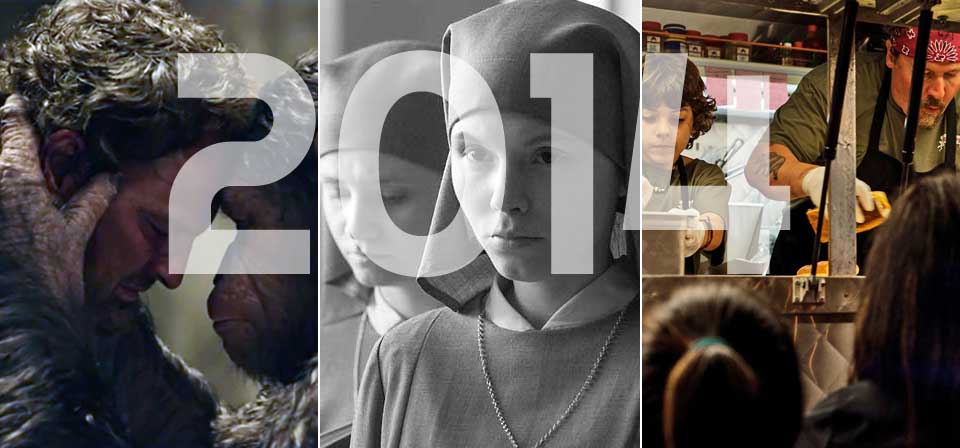
2014: The year in reviews
The quest for justice and harmony echoed through the best films of 2014, playing out in various arenas: social, domestic and spiritual.
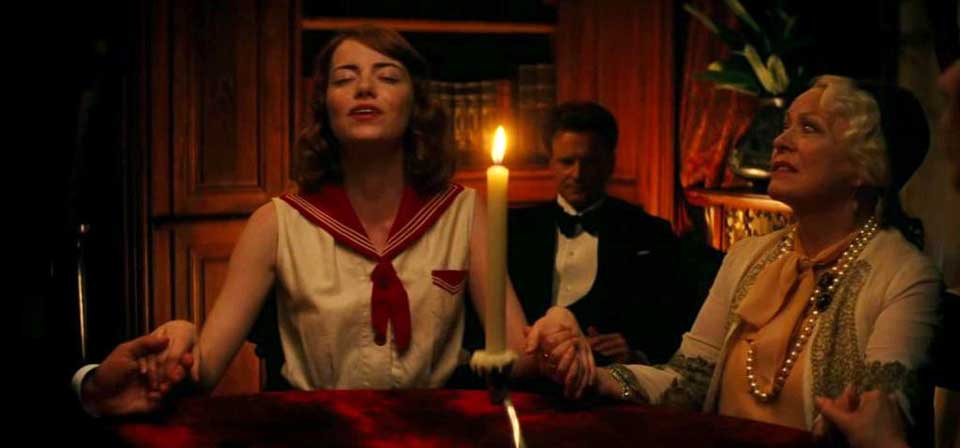
Raking through the ashes of unbelief: Woody Allen’s lost spark
Woody Allen keeps telling us God is dead, but he also keeps compulsively burying him.
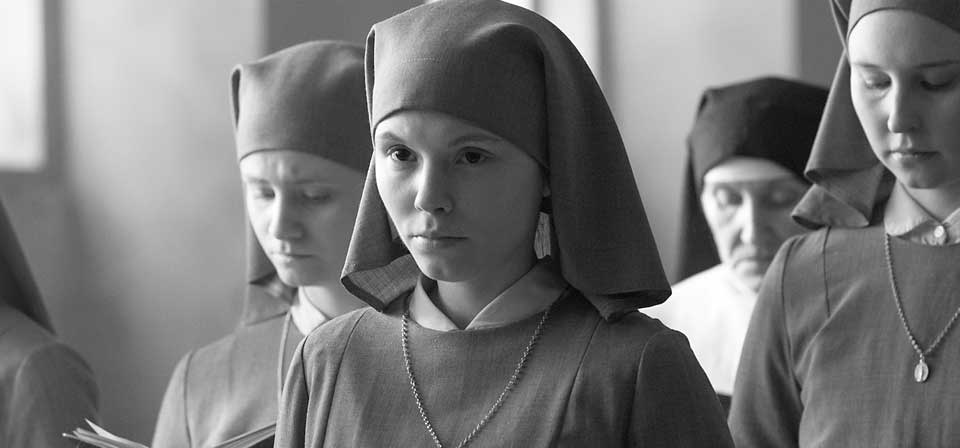
The Church on screen in 2014: Not a bad year for Catholics
By mid-year I would have predicted that Mendoza would surely prove to be the best big-screen priest of 2014 — but Brendan Gleeson’s Rev. Lavelle in John Michael McDonagh’s Calvary proved me wrong.
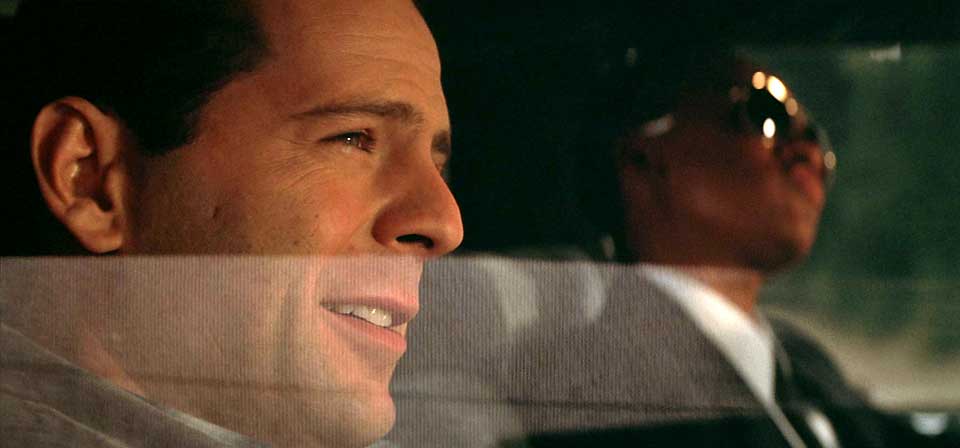
Christmas Day is over … time to watch Christmas movies!
What can Catholics do to keep things Christmasy until mid-January? Among other things, I suggest keeping the tree and the lights lit until at least January 6, if not the following Sunday — and saving the Christmas movies till after Christmas day.
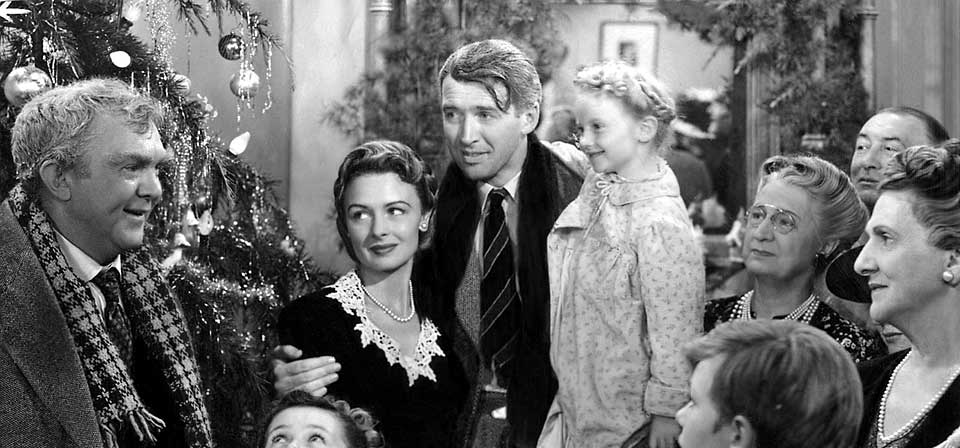
The trouble with Christmas movies
“What are your favorite Christmas movies?” As a Catholic film critic, I get this question several times every December, often on the air or via social media. The question, alas, touches on a sore subject for me.
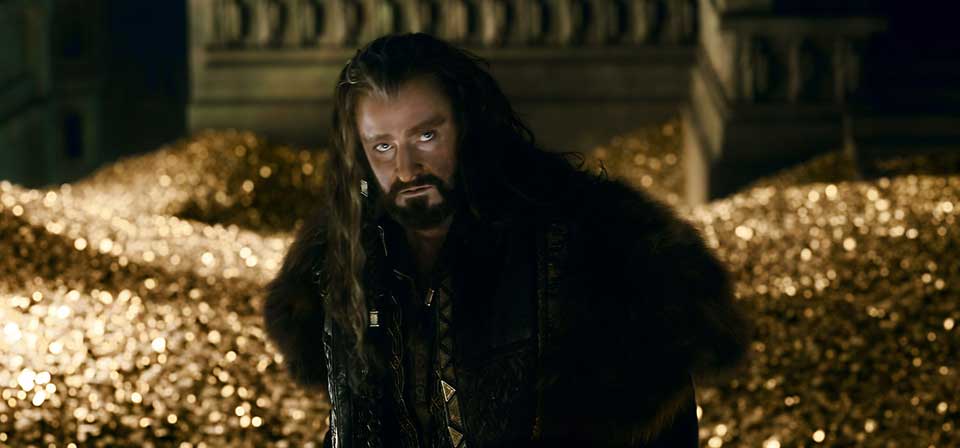
How The Hobbit: The Battle of the Five Armies betrays Tolkien’s Catholic themes — and his religious fans
Changes like these are sadly typical of the Hobbit prequel trilogy, which is far cruder and less sensitive to the charm and beauty of its source material than the Lord of the Rings films were. As bad as Christopher Tolkien’s fears in 2012 about The Hobbit films might have been, the reality is worse.

Exodus: Gods and Kings: Theological reflections
It’s a movie with many problems, like most of Scott’s recent epics (Prometheus, Robin Hood, Kingdom of Heaven), but Scott has a better story to work with here and adds something of value to the world of Bible cinema.
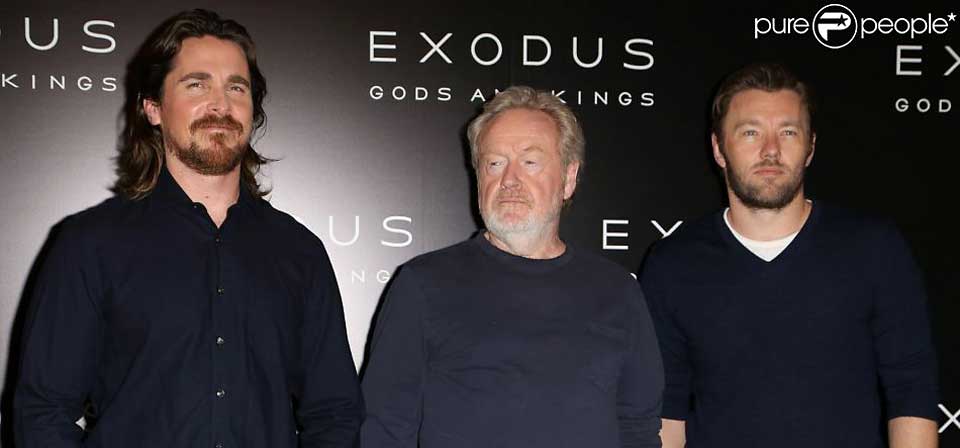
Interview: Exodus: Gods and Kings filmmakers Ridley Scott, Christian Bale and Joel Edgerton
Ridley Scott’s Exodus: Gods and Kings (in theaters Dec. 12) is the year’s second major Old Testament epic from a director who is not a believer — but don’t get Scott started on Noah’s rock-monster Watchers.
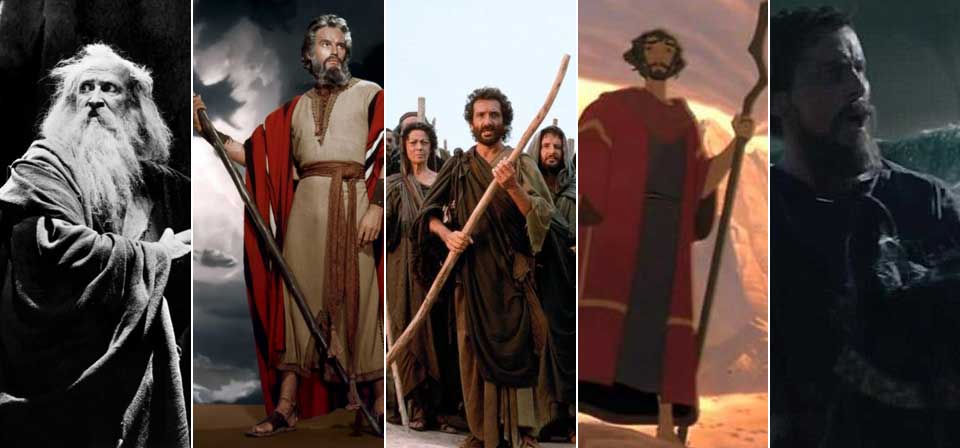
Moses at the movies
The Exodus is probably the Bible’s most cinema-ready story, the perfect Bible-movie subject. Unlike the stories of Noah, Abraham, David, Jesus, Peter, or Paul, it offers a sustained narrative structure, with a clear central conflict between a strong hero and a strong villain, building to a series of grand climaxes.
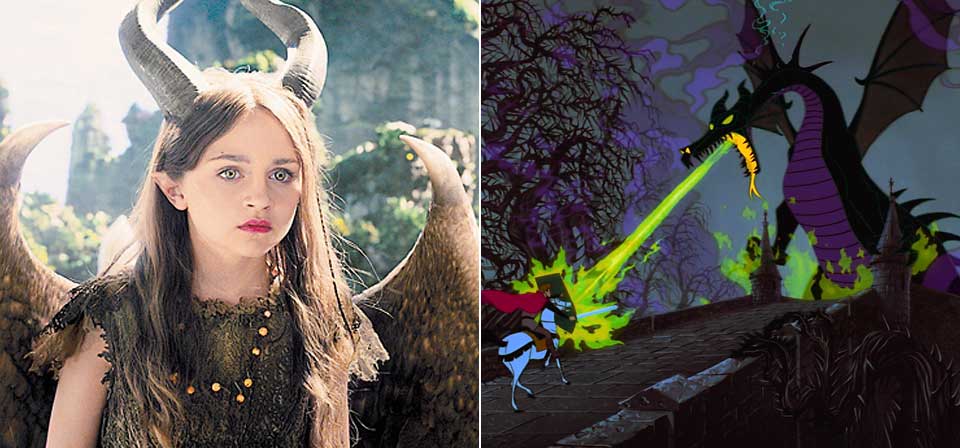
How Disney’s Maleficent subverts the Christian symbolism of Sleeping Beauty
Give me princesses like Leia from Star Wars, Merida from Brave or Tiana from The Princess and the Frog any day. But there’s a difference between creative revisionism and simple inversion.
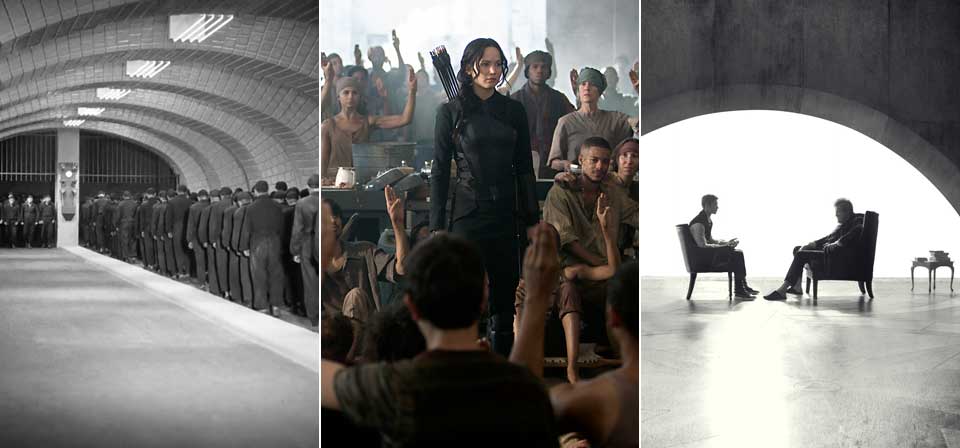
Dystopia, The Hunger Games and the critique of the culture of death
The word utopia was coined by St. Thomas More in his book of that name — an important and enigmatic work of fiction and political philosophy generally understood as some sort of satire.
Recent
- American Martyr: An Oklahoma priest’s unlikely bond with persecuted Mayans in war-torn Guatemala
- Father Stanley Rother’s gift of presence: Interview with María Ruiz Scaperlanda
- The Odyssey and the consequences of war
- Why Doctor Strange is the best MCU movie: 10 reasons
- Aliens, humanity, and God: In Disclosure Day, Spielberg still wants to believe
Home Video
Copyright © 2000– Steven D. Greydanus. All rights reserved.